
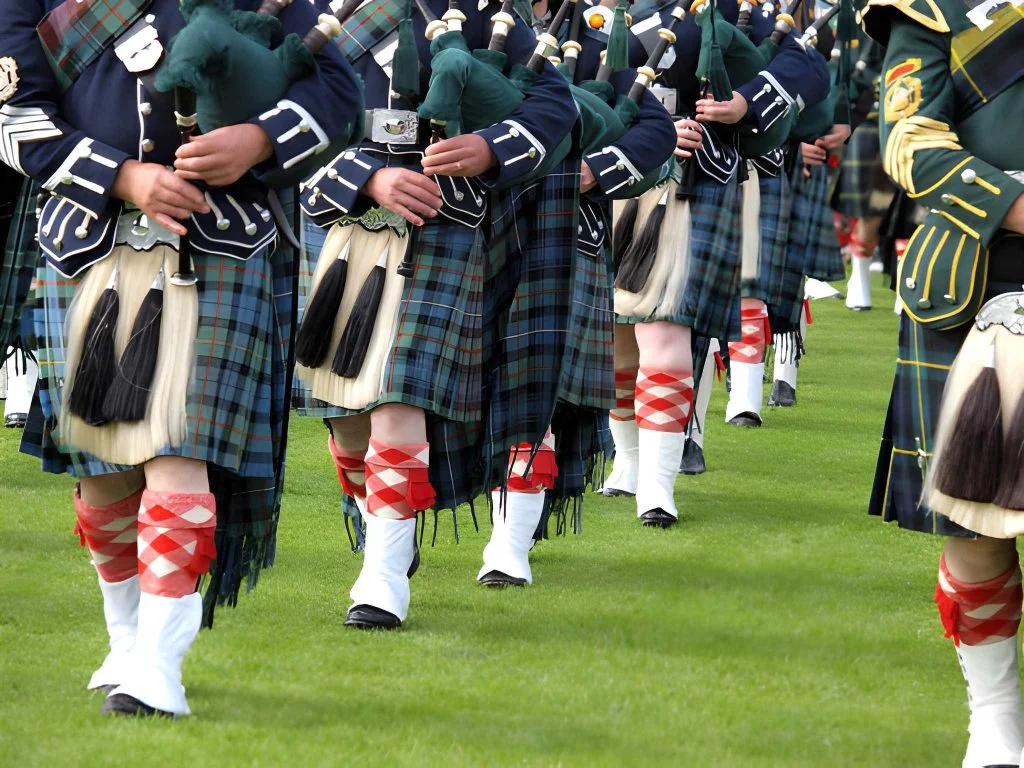
Pipe band outfits are more than just uniforms — they are a proud symbol of heritage, discipline, and musical tradition. Whether you are part of a competitive pipe band, a ceremonial group, or a cultural organization, your outfit plays a crucial role in presenting identity, unity, and respect for history. From kilts and jackets to accessories and footwear, every element of a pipe band outfit has meaning and purpose.
This complete guide will help you understand the components of pipe band outfits, their variations, how to choose the right attire, and why proper uniformity matters.
Understanding Pipe Band Outfits
Pipe band outfits originate from Scottish Highland dress, which has been worn for centuries. These outfits were adapted for pipe bands to ensure comfort during performances while maintaining a formal and traditional appearance. Over time, pipe band uniforms evolved to suit different occasions such as competitions, parades, military ceremonies, and formal events.
A complete pipe band outfit usually consists of a kilt, jacket, shirt, hose, footwear, headwear, and several accessories. Each item is carefully selected to maintain consistency across the band.
Key Components of a Pipe Band Outfit
1. The Kilt
The kilt is the most recognizable part of a pipe band outfit. It is traditionally made from tartan fabric, which represents a clan, region, or organization.
- Tartan Selection: Many bands choose a tartan that reflects their heritage or identity. Some use official clan tartans, while others design custom tartans.
- Length and Fit: A properly fitted kilt should fall to the middle of the knee. It must sit comfortably at the waist to allow ease of movement during performances.
- Material: High-quality wool is preferred for durability and proper drape.
2. Jackets and Vests
The jacket adds formality and structure to the outfit. Different styles are used depending on the event.
- Doublet Jackets: Common for formal performances and competitions.
- Argyll Jackets: A popular semi-formal option suitable for parades.
- Vests (Waistcoats): Often worn under jackets to add elegance.
Jackets are usually tailored to match the kilt and band color scheme.
3. Shirts and Ties
Most pipe bands wear white dress shirts to maintain a clean and uniform look. These are paired with:
- Bow Ties or Neck Ties: Often black or in band colors.
- Lace Jabot or Cravat: Used in traditional or ceremonial settings.
Shirts should be breathable and neatly pressed to ensure comfort during long performances.
4. Hose and Flashes
Hose are long socks traditionally worn with kilts.
- Color: Typically cream, white, or matching band colors.
- Flashes: Decorative fabric strips worn at the side of the hose, often matching the tartan or band colors.
These small details enhance the overall visual balance of the outfit.
5. Footwear
Footwear must be both traditional and practical.
- Ghillie Brogues: Traditional Scottish shoes with long laces wrapped around the ankle.
- Black Dress Shoes: Sometimes used for non-competitive events.
Comfort and grip are essential, especially during marches and parades.
6. Headwear
Headwear varies based on tradition and band preference.
- Glengarry: A traditional Scottish cap commonly worn by pipe bands.
- Balmoral: A softer cap often used in less formal settings.
- Feather Bonnets: Reserved for ceremonial or military-style bands.
Headwear often includes a badge or crest representing the band.
7. Accessories
Accessories complete the pipe band outfit and add authenticity.
- Sporran: A pouch worn at the front of the kilt, available in leather or fur styles.
- Kilt Pin: Decorative pin worn on the outer apron of the kilt.
- Belt and Buckle: Adds structure and visual appeal.
- Badges and Medals: Display achievements and affiliations.
Each accessory should be worn correctly to maintain a polished look.
Outfit Variations for Different Roles
Pipe bands often have different outfits for various roles within the band.
- Pipers: Typically wear the full traditional uniform.
- Drummers: May have slightly different jackets or accessories.
- Drum Majors: Often wear more elaborate outfits with sashes and ceremonial elements.
Despite variations, color coordination and design consistency are essential.
Choosing the Right Pipe Band Outfit
When selecting a pipe band outfit, consider the following factors:
- Purpose: Competition, parade, ceremony, or casual performance.
- Climate: Breathable fabrics are important in warmer conditions.
- Budget: Quality uniforms are an investment, but durability matters.
- Comfort: Musicians must be able to move freely and perform confidently.
Working with a specialized uniform supplier ensures accurate measurements and proper tailoring.
Importance of Uniformity in Pipe Bands
Uniformity is one of the defining features of a pipe band. Matching outfits create a strong visual impact and reflect discipline, teamwork, and professionalism. Judges in competitions also consider appearance as part of the overall performance.
A well-maintained uniform shows respect for tradition and enhances the band’s public image.
Care and Maintenance of Pipe Band Outfits
Proper care extends the life of your uniform:
- Dry clean kilts and jackets professionally
- Store kilts properly to maintain pleats
- Clean shoes and accessories regularly
- Inspect outfits before performances
Regular maintenance ensures your band always looks sharp and presentable.
Final Thoughts
Pipe band outfits are a powerful blend of tradition, craftsmanship, and identity. Every element, from the tartan kilt to the smallest accessory, contributes to a cohesive and dignified appearance. Whether you are forming a new band or upgrading your current uniform, understanding the structure and significance of pipe band outfits helps you make informed choices.
By investing in quality attire and maintaining uniformity, a pipe band not only honors its heritage but also leaves a lasting impression wherever it performs.